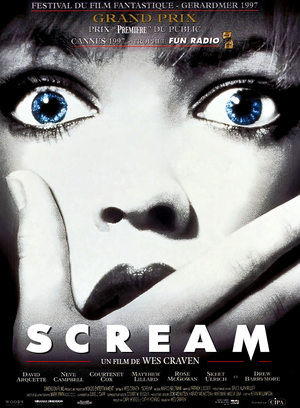
In viewing "Scream" (1996), one is compelled to confront the banality of contemporary horror cinema masquerading as innovative. Laden with an ostentatious veneer of self-awareness, this cinematic endeavor appears more enamored with its superficial homage to genre tropes than with any substantive exploration of fear.
Director Wes Craven's attempt at meta-narrative, while ostensibly commendable, succumbs to its own indulgent cleverness. The film's incessant references to horror archetypes and tropes, instead of offering genuine commentary, devolve into a cacophony of uninspired homage, akin to a self-congratulatory pat on the back for recognizing its own clichés.
The narrative's purported examination of the symbiotic relationship between horror fiction and reality collapses under the weight of its contrived execution. The characters, marionettes in a contrived spectacle, fail to evoke genuine empathy or intrigue, serving instead as vessels for predictable plot twists and unconvincing revelations.
Furthermore, "Scream" suffers from a pervasive sense of tonal dissonance, vacillating haphazardly between moments of purported tension and comic relief, ultimately diluting any semblance of genuine terror. Craven's directorial hand, once deft in navigating the intricacies of horror, falters here, delivering a disjointed experience that borders on farcical.
In conclusion, "Scream" (1996) epitomizes the trappings of contemporary Hollywood's penchant for vapid nostalgia, offering little more than a hollow pastiche of its predecessors. Its overwrought self-awareness, coupled with a dearth of substantive thematic exploration, renders it a forgettable footnote in the annals of horror cinema—a fleeting whisper amidst a cacophony of uninspired imitations